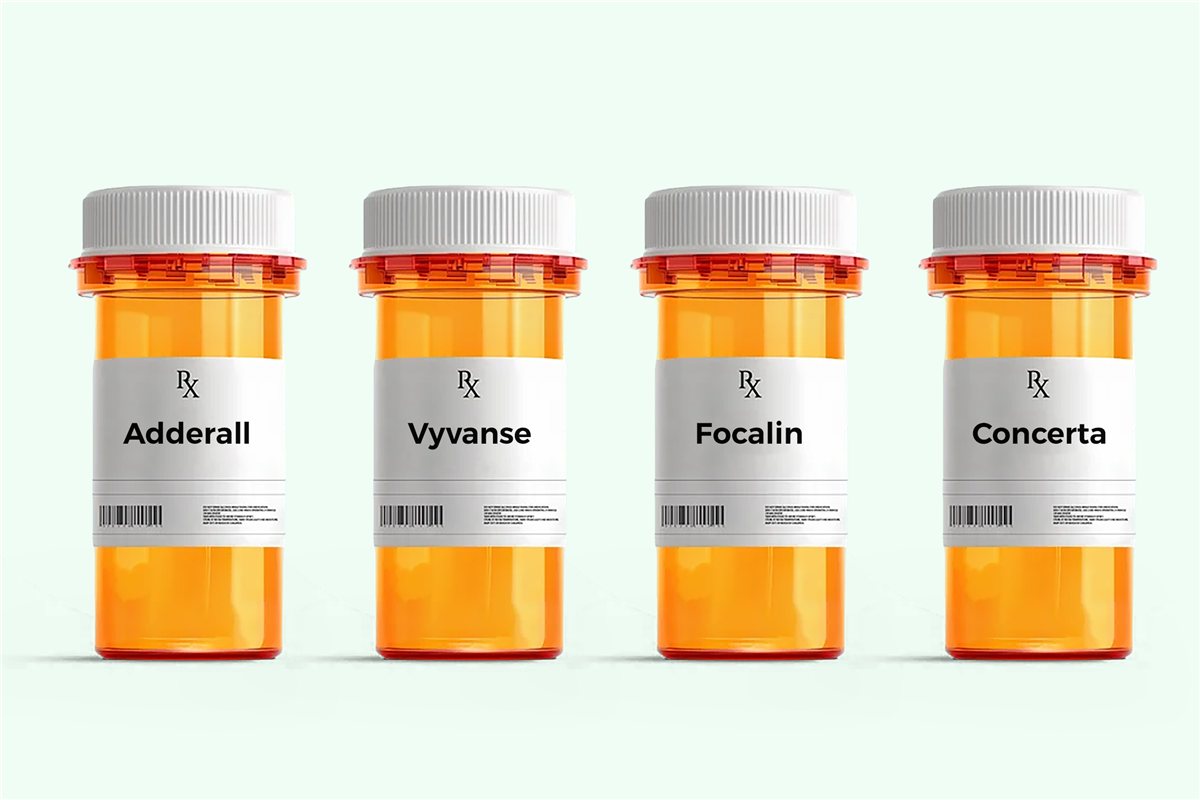
If you are diagnosed with ADHD, medication may be one option. There are two main types: stimulants and non-stimulants. Here is how they compare.
Stimulants
Stimulants are the most commonly prescribed ADHD medications. There are two main families:
- Methylphenidate, such as Ritalin, Concerta, and Focalin
- Amphetamine, such as Adderall and Vyvanse
How they work: They increase dopamine and norepinephrine, brain chemicals that help with focus and self-control.
How fast: Usually within an hour of the first dose.
Things to know: Stimulants are controlled substances, so there are stricter rules around prescribing and refills. Common side effects include lower appetite, trouble sleeping, and a faster heart rate.
Non-stimulants
Common non-stimulant options include:
- Atomoxetine (Strattera)
- Viloxazine (Qelbree)
- Extended-release guanfacine (Intuniv)
- Extended-release clonidine (Kapvay)
Some clinicians also use bupropion (Wellbutrin) for ADHD, though this is off-label.
How they work: Most affect norepinephrine. Guanfacine and clonidine work on a different part of the brain's attention system.
How fast: Usually slower. Many take 2 to 8 weeks to reach full effect.
Things to know: They are not controlled substances, and they work around the clock instead of wearing off in the evening.
Wondering if it is ADHD? Start a same-day evaluation. Evaluations start at $195.
Start assessment →Who might prefer a non-stimulant
- People who had side effects from stimulants
- People with anxiety, tics, or certain heart concerns
- People with a history of substance use
- People who want steady coverage from morning to night
- People who travel often or do not want controlled substance refill rules
Side by side
| Stimulants | Non-stimulants | |
|---|---|---|
| Speed | Within about an hour | Usually 2 to 8 weeks |
| Duration | Wears off in hours | Works all day |
| Controlled substance | Yes | No |
| Common side effects | Appetite loss, trouble sleeping | Tiredness, upset stomach, dizziness |
How your clinician decides
Your clinician looks at your symptoms, your health history, other medications, and your goals. Finding the right medication and dose can take a few adjustments. That is normal.
At Anora, clinicians in Georgia and North Carolina can prescribe both stimulants and non-stimulants when clinically appropriate. In Arizona, Colorado, Connecticut, Delaware, Florida, Idaho, Iowa, Kansas, Minnesota, Nebraska, New Hampshire, North Dakota, Vermont, Washington State, and Washington, DC, we prescribe non-stimulants.
The bottom line
Both types can work well. The best choice depends on you, and a clinician can help you weigh the tradeoffs.
Common questions
Which is better, stimulant or non-stimulant?+
Neither is better for everyone. Stimulants work faster for most people. Non-stimulants work all day and are not controlled substances. Your clinician helps you weigh the options.
How long do non-stimulants take to work?+
Many non-stimulants take several weeks to reach their full effect, often 2 to 8 weeks depending on the medication.
Does Anora prescribe stimulants?+
In Georgia and North Carolina, Anora clinicians can prescribe stimulant and non-stimulant medications when clinically appropriate. In our other states, we prescribe non-stimulant medications only.
This article is for general education and is not medical advice. Talk with a licensed clinician about your own health. If you are in crisis, call or text 988.
Keep reading
Ready to get answers, not guesses? Start your same-day ADHD evaluation. Evaluations start at $195.
Start your assessment